Book Review #4, Urban Infrastructure: Permanence and Change

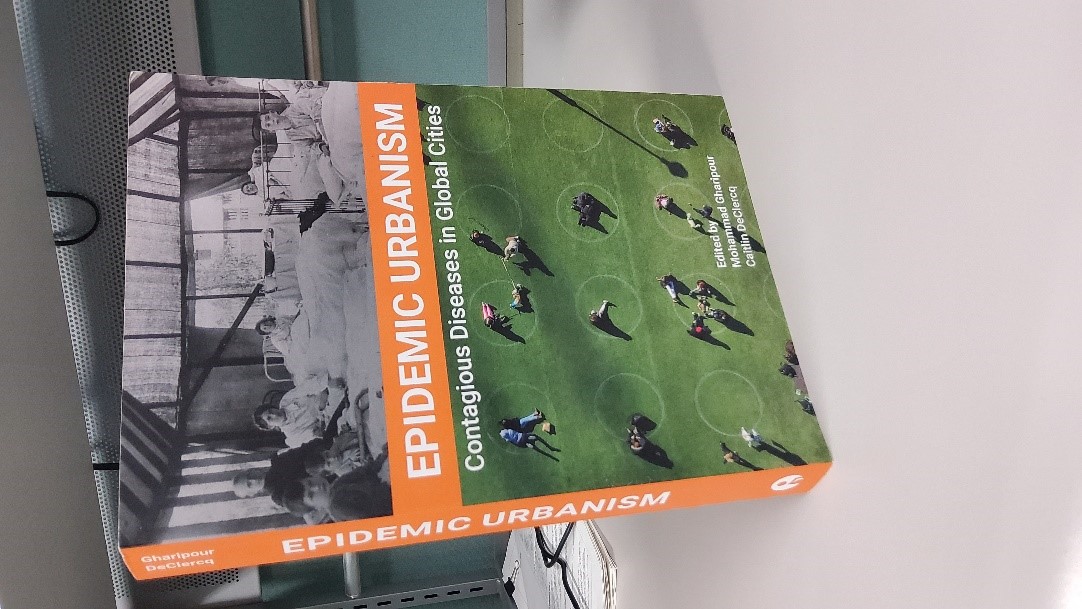
Book: Epidemic Urbanism: Contagious Diseases in Global Cities
Part 3: Urban Infrastructure: Permanence and Change

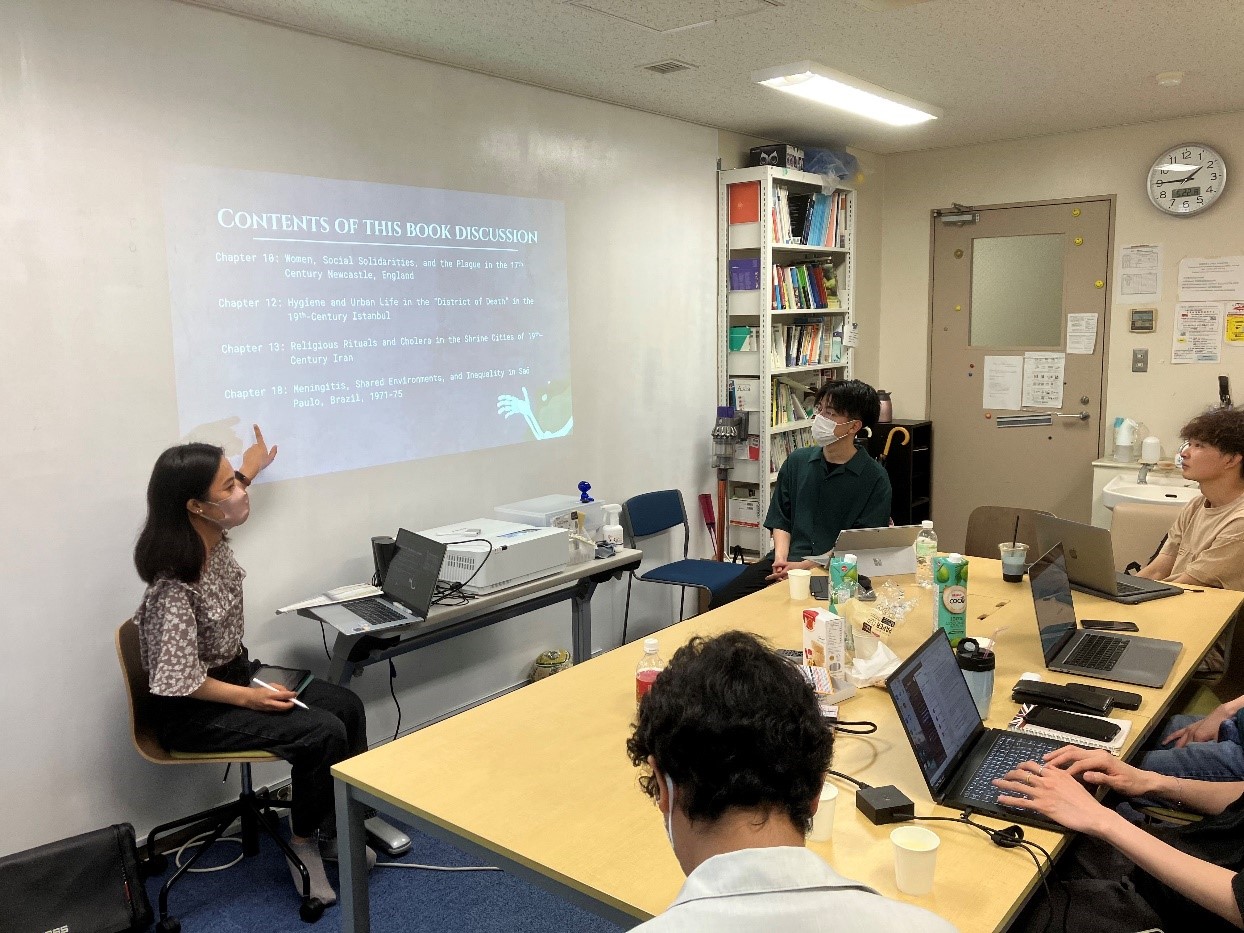
Hello everyone. We meet again, and I am Tom. This week June 12th, 2023, is my turn for the book discussion. If you follow our blog frequently, you will know we have this activity every semester. My colleagues Radi and Loren already presented part I and part II. Today, I will discuss part III of Urban Infrastructure: Permanence and Change of the book “Epidemic Urbanism by Gharipour & DeClercq (2021)”.

Background

This part discusses about the concept of “Urban Infrastructure: Permanence and Change” how it can be related to the idea of epidemics in the context of cities respond to and adapt to infectious disease outbreaks. Urban infrastructure plays a critical role in shaping the response and mitigation strategies with the face of a public health crisis like an epidemic. As the main purpose of this part, we can see two aspects from case studies.

  1. Firstly, the permanence aspect of urban infrastructure becomes relevant regarding the existing physical and social infrastructure systems that must be mobilized to address the health crisis. Healthcare facilities, sanitation systems, and communication infrastructure are crucial elements in managing and preventing disease spread within urban areas.
  2. In parallel, the change aspect in urban infrastructure is equally important because the outbreak of infectious diseases often prompts cities to rapidly adapt their infrastructure systems to meet the new challenges and demands; this may involve temporary changes or additions to existing infrastructure, such as the establishment of field hospitals, the way of dealing with infectious deceased, and the reconfiguration of public spaces to enable physical distancing.

To let everyone see cleary about this concept, I selected three case studies in this part as references:

 

  • Chapter 21: Social inequity and hospital infrastructure in Puebla, Mexico, 1737. From the beginning, there was a difference in racial hierarchization in colonial Mexico due to the social inequity at that time. Only one group of people, which is called “Spaniards,” can access opportunities, resources, and outcomes among different groups of people within a society known as “native (indigenous), Africans (enslaved people), mestizos (people of mixed ethnic background).” This reason was one issue that led to the spread of infectious diseases. It made the epidemic more severe and rapid due to the limited access to healthcare, urban hygiene conditions, overcrowded and substandard housing, and unequal exposure to environmental hazards (waste disposal from factories and human defecation on the streets). By the end of the 18th century, when it was understood that illnesses propagated in confined and stuffy places, hospital infrastructure had improved through experiences with a variety of epidemics; specifically, the tall ceiling and vaulted wards improved air circulation. In addition, the hospital was the place where providing physical recovery through medical treatment and appropriate health facilities. The hospital was forced to facilitate burying plague victims on the hospital ground instead of the church building due to the overwhelmed city authority’s capacities for containment.

  • Chapter 25: French urbanism, Vietnamese resistance, and the plague in Hanoi, Vietnam, 1885-1910. After the French conquered Tokin in 1883, Hanoi was made the capital of the federation of French Indochina. The colonial state viewed the Vietnamese city with suspicion, deeming it unhealthy and needing modernization. They revive the city’s critical infrastructure to create a modern urban center, such as building state-of-art sewers and a freshwater system. That is to fight against waterborne diseases such as cholera. In the 1850s, it turned out that the city was facing the bubonic plague from Yunnan, China, through transportation infrastructure and ships which caused rats. To determine the potential threat of infection, the white officer was authorized to inspect the home of the deceased; if the corpse showed signs of cholera or plague, police agents would disinfect the residence and dispose of the body in a manner to prevent the spread of the disease. Homes of the deceased were to be sterilized with lye or other solutions, but the poorer victims lived in wood and thatch huts that had to be burned. Family members or others close to the deceased were sent to an isolation hospital. Nevertheless, Vietnamese typical burial practices were ignored by the French colonial state when they took Vietnamese corpses and burned them, which led to angry public protests against the colonial authority. Despite public health authorities’ progress plans, French urban and infrastructural modifications in Hanoi were a focal point for anti-colonial protests.

  • Chapter 26: Building a community on Leprosy Island in the Philippines, 1898-1941. The Philippines has experienced long-term leprosy due to deplorable sanitary conditions, which are causes of constant outbreaks of diseases. In the early 1900s, an American report estimated 5,000 Filipinos were afflicted with leprosy—also, a thousand American military troops. The condition continued to spread and did not diminish the number of infected people with leprosy even if they established hospitals in Manila and other areas. Both feared the disease would overwhelm the country if its spread were not contained. Hence, the segregation plan was required, and until 1901, Culion Island was converted as a leper colony in the Philippines due to many beneficial features of this island, such as a good environment with sea breezes. Finally, Culion Island started as a place of segregation and developed into a community through physical, social, economic, and political infrastructural development.

Lesson learned

  1. From three case studies, epidemic urbanism can also influence long-term changes in urban infrastructure, such as planning and design.
  2. The experience of dealing with a public health crisis can inform future infrastructure development strategies, including incorporating features that enhance resilience to epidemics or other health emergencies; this might involve considering factors like increased healthcare capacity, improved sanitation and hygiene infrastructure.

Discussion

  • How can communities effectively come together and build a positive and resilient environment during an outbreak or crisis, fostering support, cooperation and a sense of unity among its members?

We cannot ignore the necessity of creating a community during the epidemic because interacting with others and exchanging information appears more beneficial. However, building a pleasant environment for a gathering during an epidemic is more challenging than usual because many different people must adhere to a single rule or guideline that is virtually impossible to satisfy everyone. For instance, the beginning of the outbreak a few years ago separated us from interacting with each other. The infectious people needed to isolate themselves from family and others in the isolation areas such as hospitals or other places approved by the health control department. This situation reflects the permanence of the past from three case studies that humans have learned from several epidemics. At the same time, we can also recognize some changes that isolation areas cannot just be hospitals but also some hotels. It used to be an establishment providing accommodation and other services for travelers and tourists. Then, it can be changed to be an isolated place as well. 

Eventually, no matter what, people learn how to combat or live with it and create the pleasant vibe of the community as it used to be before the outbreak. Modern technology allows people who need to isolate themselves from their families to communicate. Furthermore, the work/school environment shifted from on-site to online to make daily life flow as usual. In other words, that is to get people connected and able to share information. However, as mentioned from the beginning, the definitions of pleasant environments from each other are different, and it is challenging due to their various desires.

Reference

Gharipour, M., & DeClercq, C. (Eds.). (2021). Epidemic Urbanism: Contagious Diseases in Global Cities. Intellect Books.
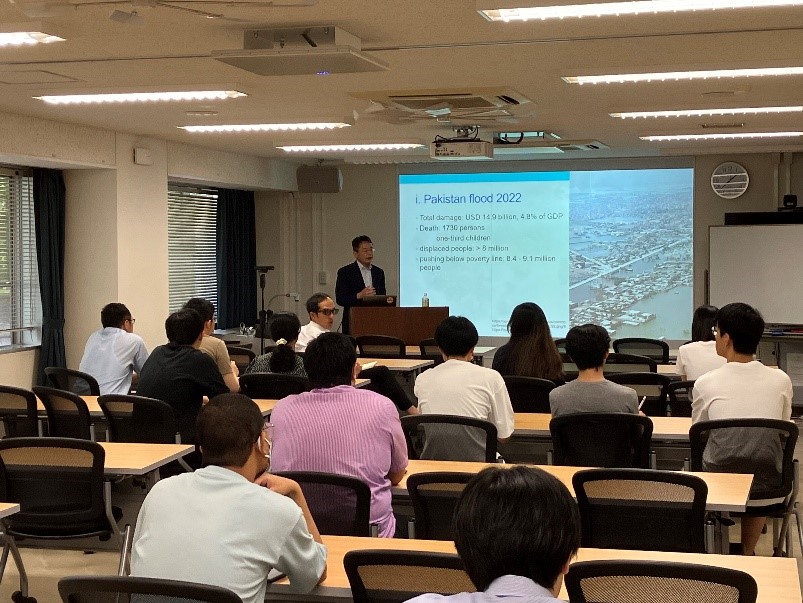
 

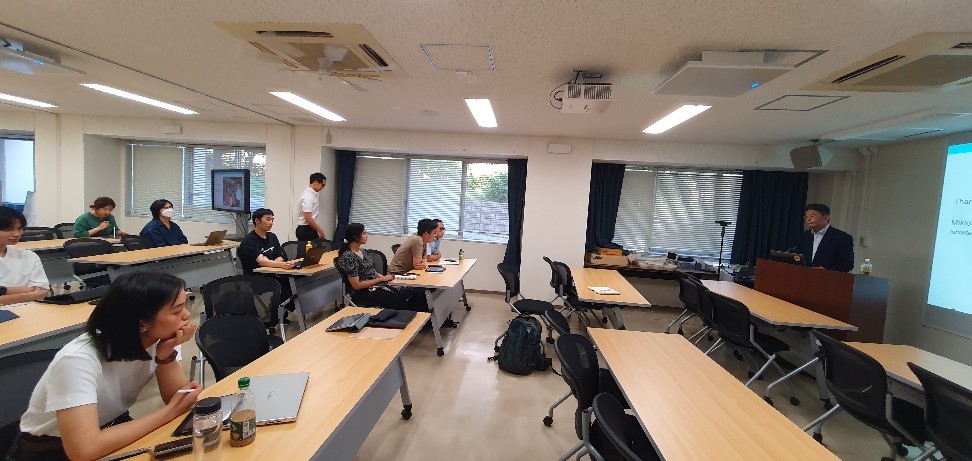
‘Inclusive Disaster Risk Reduction and Recovery’ lectured by Dr. Mikio Ishiwatari

Special Lecture:

Inclusive Disaster Risk Reduction and Recovery: Issues and Challenges
Guest Speaker: Dr. Mikio Ishiwatari
Date: 7th June 2023


Currently working as a senior advisor at the Japan International Cooperation Agency (JICA), a visiting professor at The University of Tokyo, and the board director of Japan Water Forum, we are very pleased to have invited Dr. Mikio Ishiwatari to share his experience and knowledge regarding inclusive disaster risk reduction and recovery.

What is happening in the world?

During the first part of the lecture, Dr. Ishiwatari briefly introduced different disasters that are happening in the world. Each disaster causes damage by cascading effects. When a disaster happens, it will be followed by a series of events. For example, during a flood in Pakistan in 2022, the damage included the loss of livestock, which further affected the agriculture sector and the people’s economic situation.

Dr. Ishiwatari sharing a flood case study in Pakistan


Development/Growth and Disaster

In the recent 20 years, earthquake is the disaster that caused the most casualties, while storms bring the most economic damage. It was interesting to see how different countries suffer different types of damage from disasters. Studies have shown that higher-income countries experience more severe economic damage while lower-income countries have a higher death toll. In the case of Nepal, deforestation is currently a serious issue as wood is used for fuel, commercial, and other purposes. As a result, flood is frequently happening and is accompanied by landslides, destruction of houses, and economic damage. Unfortunately, challenges remain in breaking the cycle between disaster, environment, and poverty.


Issues of Inclusiveness

The main topic of today’s lecture is inclusive disaster risk reduction and recovery. At this point, it is important to define the vulnerable groups, and who should be included in the disaster management plan. Women, the poor, people living in remote areas, people with disabilities, the elderly, and people with different ethnicity and religious backgrounds are considered vulnerable. According to Dr. Ishiwatari, JICA is now focusing on gender issues in disaster management. From previous disaster experiences, studies have pointed out that the needs of women are insufficient at evacuation shelters. This issue can be traced back to the participation of women during the disaster planning stage. In the case of Japan, the percentage of female members in the prefectural disaster management council is very low. Efforts have been done after the experience of the Great East Japan Earthquake, increasing from 3.4% on average to now over 10%. Indeed, participation is one of the keys to inclusiveness in disaster management. If there is more participation by women in the planning stage, the disaster management council can have a better knowledge of the needs of women during emergency situations.

Dr. Ishiwatari also pointed out the different vulnerable groups in different cases of disasters in Japan. During the Hanshin-Awaji Earthquake in 1995, the vulnerable groups were mostly low-income households and older age groups. One notable point from the death toll disaggregated by gender and age is that the age group of 20 to 24 years old has the highest death toll among the age groups below 50. This is due to the fact that students that are mostly from this age group cannot afford good houses, and therefore were killed by collapsing buildings.

During the Great East Japan Earthquake in 2011, two-thirds of the casualties were the elderly. Besides that, statistics have shown that people with disabilities have a death ratio of 2 times more than people without disabilities. Gender inequality issues were also mentioned and reflected after the disaster. As 95% of the evacuation shelter manager heads were males, it is reported that women evacuees were experiencing privacy and security issues in the evacuation center. Another case study mentioned during the lecture was the flood in Mabi, Okayama. From that disaster experience, people found out that the evacuation centers were not equipped to handle special needs like medicines, people needing special dietary care, and people with disabilities. Many of the families with disabled children chose to stay at home or go to their relative’s houses instead of going to an evacuation center as they could not receive the special care they need.

JICA’s Activities

              Currently, JICA and Japan Overseas Cooperation Volunteers (JOCV) are actively engaged in relief activities for gender and diversity-sensitive shelter operation and management. They integrate the voices and needs of vulnerable groups and provided various supports, ranging from the dispatch of medical relief team, and supporting women’s groups, to teaching skills like handcrafting, recycling, and composting to the women’s community. One example of the recovery activities from Typhoon Yolanda in 2013 is mentioned. JICA helped with the reconstruction of livelihoods through the processing of agricultural and fishery products by women’s groups. After the food processing, there were sales promotions to help to improve the economic situation of the affected people. Lastly, there were also projects for the reconstruction of daycare centers to help with the situation of women and children.

              Due to time limitations, Dr. Ishiwatari was not able to finish all parts of the presentation slides he prepared, but we certainly had a fruitful session with him. At the end of the lecture, he emphasized that participation is the key to inclusiveness and it is important that people of vulnerable groups participate in disaster planning in order to improve their situation and reduce their vulnerability during disasters.

Q&A session after the lecture


              Lastly, we would like to thank Dr. Ishiwatari for sparing your valuable time to share with us your experiences working on inclusive disaster risk reduction and recovery. It was a wonderful opportunity for us to have learned more about disaster inclusiveness and had a great discussion session.

Book review #3 – PartⅡ Urban Life –

Good day everyone! Loren here. It is a pleasure to write another blog. Today, I am going to talk about the book discussion that was held last May 22, 2023. As a brief recap, our group is currently reading the book Epidemic Urbanism by Gharipour & DeClercq (2021). Part I is about Urban Governance and Part II is about Urban Life. Part II talks about how different cultures and societies handled epidemics like plague, cholera, and meningitis. Four chapters were discussed.

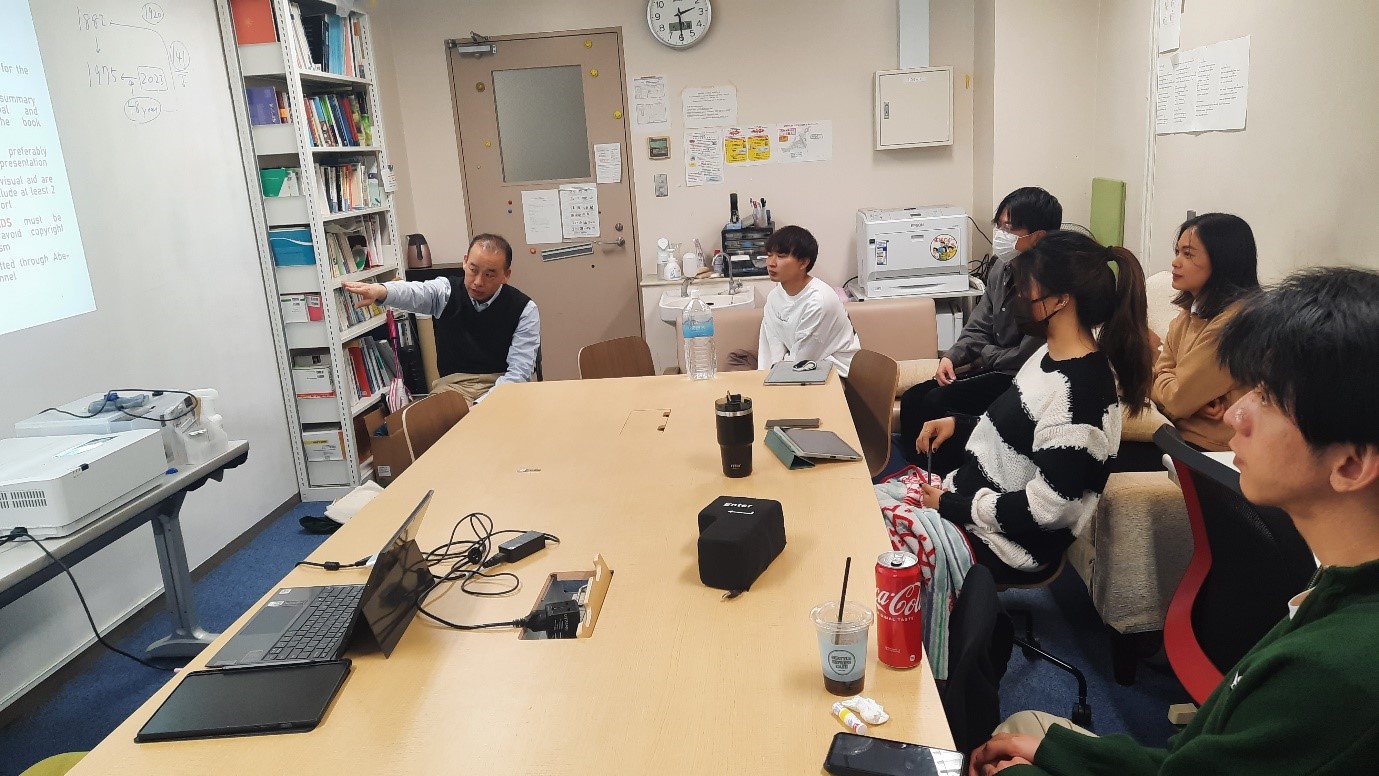
Photo credits: Abe sensei


Chapter 10 talked about the unique social structure that was made in New Castle, England because of the plague. Plague is a vector-borne disease that is passed from animals to humans through lice. If unattended, it can spread to the lungs and can be lethal. It had a significant social impact because the victims of it have 60-80% chances of death if they got infected. New Castle is an important location during the early modern period (16th-19th century) because it is the place where coal, wool, and corn trade takes place. This is also the reason why the plague spread in the city. Plague doctors, who are sometimes not even physicians at all, were seen everywhere. They wore eerie masks that serve a specific purpose. Aromatic substances and fragrance are placed in the beaks of their mask to cover the pungent smell of the victims as well as prevent them from contracting the disease. Women in these times were responsible for the medical provision and new jobs were created especially for them to take care of the patients and disinfect their houses after death/recovery from the illness. In the case where the patients recover, the women who took care of them would be rewarded with new social status and shillings (the old currency used before). This chapter emphasizes the importance of social connections even in the times of crisis, and there was a creation of informal networks of care carried out by women within urban communities.


Chapter 12 focuses on how Istanbul, specifically the Galata and Pera areas, dealt with the plague. The plague had been recurrent in these areas from the mid-14th century to the mid-19th century. Several plague hospitals, mainly managed by Europeans, were established. These hospitals became testing grounds for new plague medicines. Notably, these hospitals have cemeteries or “great burial grounds” as they call it. European physicians found something problematic during their visits – local workers have been selling or keeping the personal belongings of patients who died from the plague. The Ottoman empire collaborated with Europeans for politics, education, and public health measures during these times. The Europeans observed that the Turks embodied the danger of the plague and did not take sufficient precautions, particularly during the plague seasons (Spring and Summer). This led Europeans to practice seasonal relocation and quarantine measures, since the plague was seen as a natural occurrence for the locals. The outbreak of the plague in Galata-Pera fueled orientalist discourse, reinforcing cultural superiority by the Europeans and perpetuating misconceptions about the Ottoman Empire and its people.


Chapter 13 explores the role of religious rituals and the outbreak of cholera in shrine cities, specifically Qom and Mashhad in Iran during the 19th century. These cities were renowned for their pilgrimage sites, including the Fatima Shrine in Qom and the Shrine of Imam Reza in Mashhad. Cholera is caused by the infection of the intestine, which causes extreme dehydration. Cholera was brought to these cities by pilgrims from India. The spread of cholera was facilitated by the waterways connected to the shrines, which were used for various purposes like drinking, washing bodies, washing clothes, and sewerage. Despite the outbreak, pilgrims relied on prayers and religious rituals for healing. The chapter presents examples of individuals claiming to be cured through drinking water poured over locks of the tomb or taking pills made from tomb dust. Efforts to prevent the outbreak involved prohibiting outsiders from visiting the shrines, and local sanitary councils implemented measures for public health. However, due to the strong religious beliefs and socio-cultural activities in Qom and Mashhad, people continued visiting the shrines despite the preventative measures.


Chapter 18 looks at the impact of inequality on the duration of an epidemic in São Paulo, Brazil, from 1971 to 1975. São Paulo experienced rapid economic growth during this period, leading to a sudden rise in rural migrants who settled in overcrowded places lacking basic infrastructure. Meningitis outbreak started due to these conditions. It started at the outskirts of the city and gradually spread toward the wealthier neighborhoods in the center. Meningitis is the inflammation of the meninges, or the membrane protecting the brain and spinal cord. Academics, urbanists, and economists raised awareness about the disparities in the city, but response from the government only happened when influential individuals got affected by the illness. The government then launched a campaign, resulting in 80 million doses of the meningitis vaccine and vaccinating 10 million people within the first five days. After ten months, herd immunity was achieved. The chapter emphasizes the importance of basic facilities and vaccines as forms of infrastructure that can help immunize and protect the population.


Takeaways:

  1. There are different ways on how societies handle an outbreak.
  2. Epidemics can reinforce biases and stereotypes about Eastern countries, which was supported by writings of European authors.
  3. Faith and cultural beliefs are important to people, and they continue to practice these even though there are risks.
  4. Lack of infrastructure affects the quality of life and healthy environments create healthy outcomes.


Discussion:

  1. Normal routine has been altered during the COVID-19 pandemic. Like the chapters discussed, there have been activities that were done because of it. For example, there has been a rise in volunteerism, especially when helping the frontliners, by giving them free transportation, food, and water. Intense restriction was also observed, especially in some of our lab mates’ countries, where barricades were set up for border control. In Japan, some universities gave assistance to foreign students who are especially affected during the lockdown. Efforts have been made, especially by people who can afford to help other people whose lives were affected due to the pandemic.
  2. Like the case study about São Paulo, Brazil, is external pressure required for change to happen in your fields of interest? External pressure in this context are people who can voice out concern to push change. Large scale sports events are making efforts to make events more sustainable due to external pressure. In the case of the other lab members, celebrities or influencers voicing concern about waste management in their countries gained a lot of attention and caused the government to be stricter with tackling waste management. An influential person is also needed to pay more attention to people with disabilities, especially during disasters. It was discussed that there are two kinds of change that can be brought about by pressures: the change brought by people and the change brought by catastrophic events, but these changes sometimes are only short term and serve as a quick response to different events.


To wrap up the book discussion, we discussed that change is indeed hard to make. A lot of different factors are considered, and while people may accept it, there will always be some people who will also oppose it. The idea of change is important, but we also need to consider how people would react and why they would react that way. Either way, strong leadership is required to make substantial change.  


References:

CDC plague. (n.d.). Frequently Asked Questions (FAQ) About Plague. Retrieved May 31, 2023, from https://emergency.cdc.gov/agent/plague/faq.asp

General Information. (2022, September 30). CDC. https://www.cdc.gov/cholera/general/index.html#one

Gharipour, M., & DeClercq, C. (2021). Epidemic urbanism: Contagious diseases in global cities (pp. 82–151). Intellect Books.

Meningitis. (2023, April 24). CDC. https://www.cdc.gov/meningitis/

Book review #2 -Politics and Crisis Management during an Epidemic

Epidemic Urbanism: Contagious Diseases in Global Cities
Part I: Urban Governance: Politics and Management

Case studies presented:

  1. Plague in Sibiu and the First Quarantine Plan in Central Europe, 1510.
  2. Mughal Governance, Mobility, and Responses to the Plague in Agra, India.
  3. Colonialism, Racism, and the Government Response to Bubonic Plague in Nairobi, Kenya.

Date presented: 1st May 2023

Presenter: Chan Yu Nin

Case Study 1: Plague in Sibiu and the First Quarantine Plan in Central Europe, 1510.

Background

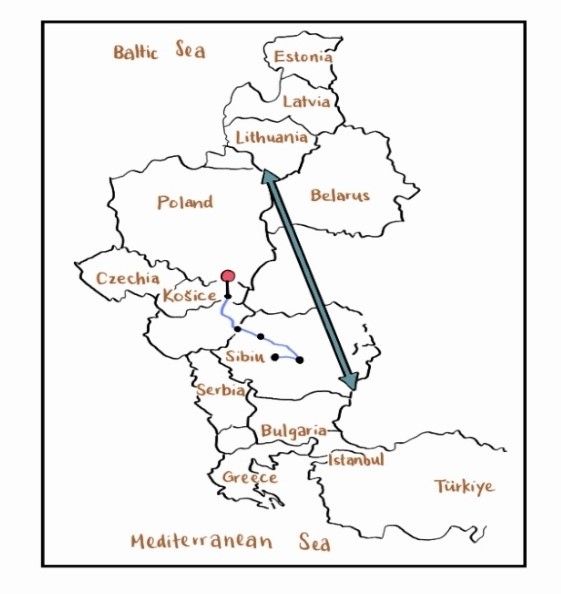
At the beginning of the 14th century, trades between the countries around the Mediterranean Sea and the Baltic Sea areas (blue and red shaded regions in Fig 1) were active. This led to an important stretch of trade route (marked blue line in Fig 1) across Hungary, facilitating the trade for silk and spices. While this route was important for business, it also accelerated the spread of diseases.

Fig 1 Active trade route in Central Europe in the 14th century

Outbreak of Plague

In 1510, a severe outbreak of plague spread across from Hungary to the cities on the trade route. During this time of crisis, there was a physician at Sibiu (located in Transylvania, now Romania) named Johannes Saltzman who published a booklet entitled “A little work on the prevention of the plague and its cure, just as useful as necessary, explained accurately for the use of the common man”. Through this booklet, Saltzman introduced the first quarantine plan in central Europe which emphasized the following four points:

  • Movement restriction: Closing of borders to prevent people from coming in and going out from infected areas
  • Social distancing: Bans on social gatherings and remaining distance among individuals
  • Isolation: Protecting healthy people and taking care of the sick
  • Quarantine: Temporarily isolating those with unknown health conditions

Outcome

Sibiu, being an active and wealthy merchant city at that time, was completely saved having followed Saltzman’s advice in the booklet. Other cities that did not follow were heavily damaged by the plague. Since then, health became a public value and was more emphasized by local and state authorities during meetings. It was also a reminder to the authorities that saving a city from a plague is not just a humanitarian concern, but also a consideration of strategic and commercial goals.


Case Study 2: Mughal Governance, Mobility, and Responses to the Plague in Agra, India.

Background

 Two emperors from the Mughal Empire (1526-1857) were brought up in this case study, Emperor Akbar (father, reigned 1556-1605) and Emperor Jahangir (son, reigned 1605-1627). During the Mughal Empire, various outbreaks of illness occurred, and the two emperors took different approaches to deal with the plagues.

Responses

Table 1 below shows the comparison of the different responses by Emperor Akbar and Emperor Jahangir.

Emperor Akbar (father)

Emperor Jahangir (son)

  • Constructed towns far apart
  • Evacuation (abandoning houses, relocating to safer regions) as the main solution to deal with the plague
  • Moved around cities along with his fully-functioning court administrators to avoid the plagues
  • Kept himself reported on the situations of different cities

Table 1 Responses by Emperor Akbar and Emperor Jahangir

Outcome

Table 2 below shows the different outcomes from the different responses.

Emperor Akbar (father)

Emperor Jahangir (son)

  • Good geographical planning was the key to effective evacuation
  • Evacuation had an effective control on the spread of the plague
  • Governance did not stop even when Emperor Jahangir was moving from city to city
  • People grew faith in the government as Emperor Jahangir actively engage in outdoor governance while he was moving around cities

Table 2 Outcomes from the responses taken by each emperor


Case Study 3: Colonialism, Racism, and the Government Response to Bubonic Plague in Nairobi, Kenya.

Background

In the 19th century, the Europeans colonized Kenya and designated Nairobi as the colonial railway settlement. Later, Indians arrived at Nairobi as laborers for the colonizers during the late 19th century to early 20th century. The Indians slowly grew in population and business activities which became a threat to the Europeans. Although the Europeans were the smallest in population, they had the most political influence. Therefore, they discriminated against the Indians and portrayed them as duplicitous, fraudulent, unsanitary, and unworthy. This has led to racism, which greatly affected the situation of the plague.


Outbreak of the plague

Table 3 below shows a comparison between what happened during the outbreak of the plague and the actual truth regarding the spread of the plague.

What happened

The actual truth

  • Indians were said to be unsanitary
  • British settlers blamed the Indians for introducing and spreading the plague
  • Segregation occurred as European settlers wrongly accused Indians and Africans as carriers and transmitters of the disease
  • Nairobi had poor urban planning, improper health infrastructure, and inadequate sanitation facilities
  • Nairobi had many swampy grounds and a poor draining system
  • The unsanitary condition led to the spread of disease

Table 3 Comparison between what happened and the actual truth


Outcome

The desire of the European settlers to hold power has led to false accusations and racism. As they took advantage of public health to justify racism, there was no effective solution to the situation without knowing the actual cause of the transmission of the disease.

Furthermore, there were official policies that supported segregation among the Europeans, Indians, and the African local people. Therefore, it has largely affected the economic and social progress of the non-European groups.


Discussions

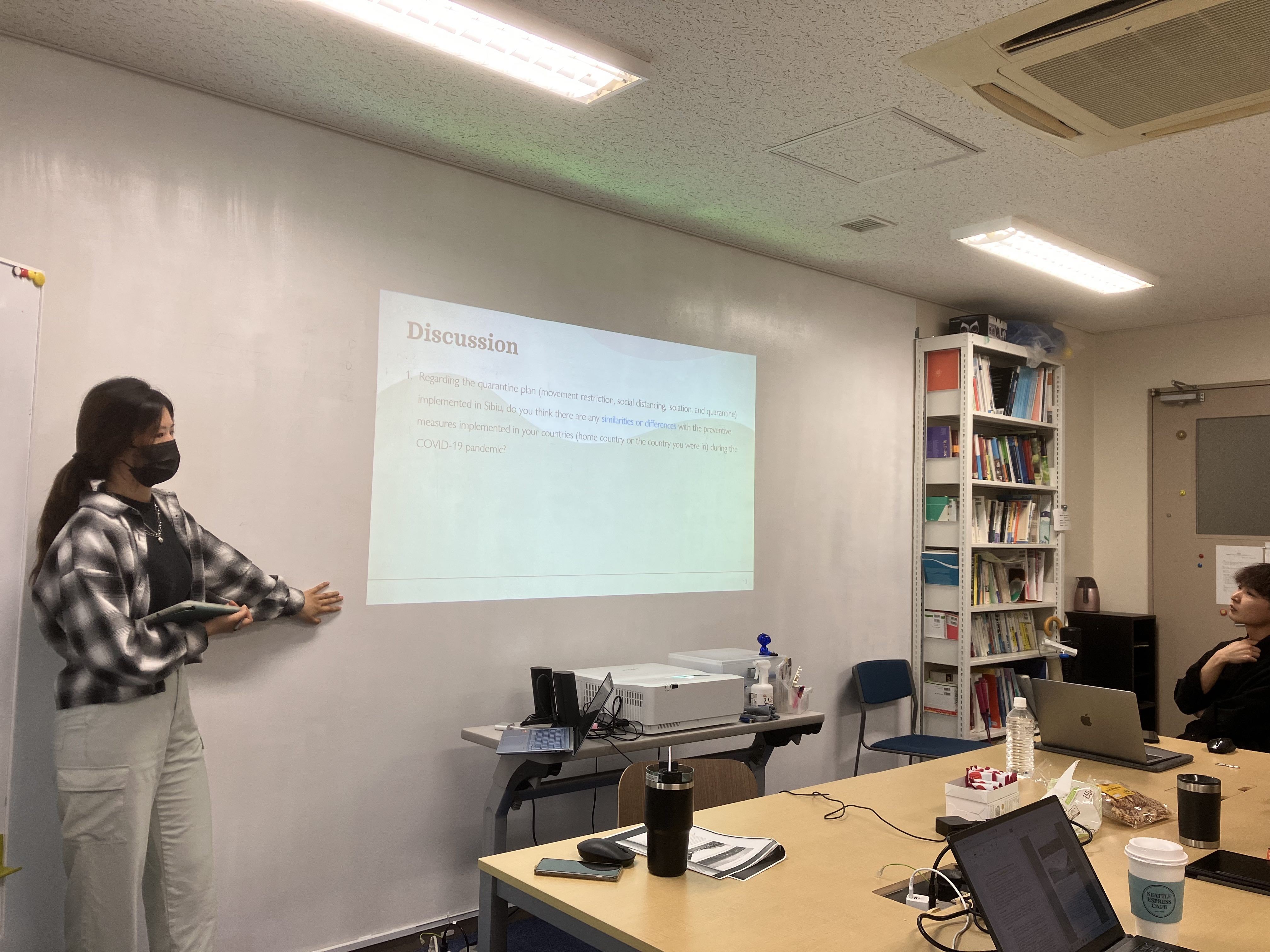
  1. Regarding the quarantine plan (movement restriction, social distancing, isolation, and quarantine) implemented in Sibiu, do you think there are any similarities or differences with the preventive measures implemented in your countries (home country or the country you were in) during the COVID-19 pandemic?

One of the members thought that there are more differences than similarities. Although terms like isolation and quarantine are similar, the background context is different now compared to back in the 16th century. In the case of Sibiu, there was no medical care at all although there were leper houses set up at that time. However, we now have access to medical care, vaccines, and information about different diseases. Therefore, in terms of preventive measures, it is very different from what was done in the 16th century.

Another member pointed out the differences between the challenges faced by authorities then and now. In the case of Sibiu happened back in the 16th century, authorities actually implemented what was advised by the local physician. However, in recent days, there is too much accessible information which is difficult for authorities and the public to filter out reliable information. The mixture of different opinions and information might cause confusion and affect all the following steps taken.

  1. In Emperor Akbar’s point of view, evacuation means abandoning houses and relocating to safer regions. Imagine if the people in a city now evacuate, what are the possible issues that would occur in your field of interest?

Solid Waste Management

From the point of view of the accepting city, it is a difficult question whether or not to accept refugees considering the city’s ability. Firstly, there will be more waste generated due to the increase in population. Besides that, an increase in population also means that the demand for housing and settling areas will increase. This could lead to a potential increase in slum areas, where sanitation problems might be extended.

Energy resources

Supply and demand are focused in this field. There could be a decrease in energy resources as abandoning a city may also mean abandoning the power resources there. Moreover, it would be big trouble if the accepting city does not have enough power supply. However, if there is sufficient supply, it could bring advantages to the accepting city. Since increasing in population could help with human resources needed in the field, it could indirectly boost the commercial activities there as well.

Social science – human behaviours

When evacuation occurs, it is often impossible for a community to relocate as a community. This means that people who have evacuated to different cities might lose cohesion and face challenges in building connections with the original residents. In the Great East Japan Earthquake, many committed suicides or died alone due to loneliness. Therefore, it can be said that evacuation or abandoning one’s home is often physically possible, but not culturally or socially feasible.

  1. Racism has caused delays in stopping the spread of the plague in Nairobi. What are other social issues (racism, poverty, violence, etc.) that have affected your field of interest?

Gender inequality

The Sexual Orientation and Gender Identity Expression (SOGIE) Equality Bill in the Philippines was brought up in this discussion. A female senator proposed a law to protect females and the LGBT community and to provide sex education in high schools. Under the impression and consideration that this law will give liberty to the LGBT community, the more conservative parties disagreed so it was not successful. As a result, there is less accessibility to free health care, and reported an increase in HIV cases.

Political issues

A small political decision has largely affected solid waste management in Indonesia. There was one urgent need in renovating a landfill site but the government refused to approve the construction. The reason for this was that the ruling party is ending its governance, so they were hoping to pass on this problem to the next cabinet. Therefore, one question that arose from this discussion was whether democracy benefits only a small part of the people.


Reference

  1. Gharipour, M., DeClercq, C., Szende, K., Gecser, O., Chida-Razvi, M., & Odari, C. (2021). Part I: Urban Governance: Politics and Management. In Epidemic urbanism: How contagious diseases have shaped global cities (pp. 4–81). essay, Intellect.

Book review #1 – Epidemic Urbanism

Presenter          : Radhitiya Al Furqan
Date presented : April 17th 2023
Part presented  : Introduction

Hello everyone, Radi here!

This semester, Abe-lab members will do the book review again. This time, we will review the book titled “Epidemic Urbanism – Contagious Diseases in Global Cities” by Mohammad Gharipour and Caitlin DeClerq (editors). This book is a compilation of historical studies on how epidemics in the past affected and changed various aspects of human life, especially in the urban context. We believe that this book is relatively relatable to the current global situation considering the COVID-19 pandemic and diverse urban issues faced by cities around the world now. Another thing that we find interesting about this book is the transdisciplinary approach it uses since this book was written by authors with different backgrounds (e.g. historians, public health experts, art and architectural historians, sociologists, anthropologists, doctors, and nurses). This transdisciplinary approach is in line with Abe-lab’s research theme and our department.


Fig 1. Epidemic Urbanism book

In this first part, we presented the introduction of the book and discussed the relevance of this book with Abe-lab research activities and how the COVID-19 pandemic affects Abe-lab members’ research topic. Lastly, hope you enjoy reading through this semester’s book review!


Fig 2.
Discussion session in the book review

Introduction of the book

The Epidemic Urbanism book is a historical study with an interdisciplinary approach involving authors from different disciplines of knowledge. It is a compilation of study cases from cities around the world, ranging from the 14th to the 21st century. Reflecting on past epidemic experiences, this book expects to give more understanding of how mankind can respond to the current COVID-19 pandemic and future epidemics more effectively and equitably with a responsible and thoughtful approach.

As the title suggests, this book focuses on the urban context/ city level. A city is where people congregate, resulting in a direct correlation to the spread of infectious disease. A city is also a place where a high diversity of social and economic structures can be found. This aspect also affects the spread of infectious diseases and got affected by them

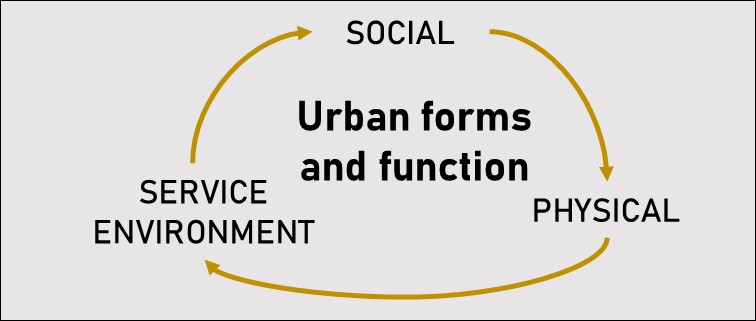
Urban forms and functions are described by the following 3 elements; social, physical, and service environment. These elements were mainly affected by past epidemics and changes can be investigated. This book investigates the effect of past epidemics on these 3 elements in various cities around the world, divided into 4 different chapters focusing on urban governance, urban life, urban infrastructure, and urban design and planning.


Fig 3. Elements of urban forms and function
(source: modified from Epidemic Urbanism 2021)

The first chapter is urban governance: politic and management. This chapter discusses about the role of policy, official responses, and government perspective on epidemics considering the uneven social structures. The second chapter is urban life: culture and society. This chapter discusses about the public and unofficial responses to epidemics. It also examines the interventions of epidemics to social and cultural aspects. The third chapter is urban infrastructure: permanence and change. This chapter discusses about the urban infrastructure’s (physical and systems) creation, mobilization, and modification responding the epidemics. The fourth and last chapter is urban design and planning: interventions and implications. This chapter discusses how epidemics changes the urban design and concepts after the intervention and the implication on the social and built environment.

Discussion 1: Relevance with Abe-lab research

In line with the introduction part, during the discussion, we came to the conclusion that this book is related to Abe-lab research, especially in the history and the multidisciplinary aspect. The history aspect becomes one of the most critical aspects that need to be understood in Abe-lab as it shows the past experience of an issue and how humans responded to that issue, hence it provides a historical background for an issue.

On the aspect of multidisciplinary, it is related to the Abe-lab since the Abe-lab itself embraces the concept of multidisciplinary/ transdisciplinary in its research theme as shown by the diverse theme of members’ research topics. We discussed even though the theme of this book (epidemic and disease outbreaks) is not specifically related to our research field, the multidisciplinary approach this book uses could provide an understanding of how an issue can be discussed and investigated from many different perspectives.

Discussion 2: COVID-19 effects on Abe-lab member’s research topic

There are 5 related research fields that we discussed in this session, which are solid waste management, disaster management, electrical engineering, economics, and eco-tourism field. In the solid waste management field, the COVID-19 pandemic increases the generation of medical waste, plastic waste, and single-use type product waste. In the disaster management field, the urgency of the COVID-19 response forces a compromise to other important aspects that need to be addressed, including disaster management. Another thing, especially in a disaster-prone location, the COVID-19 pandemic and disaster occurrence will cause a heavier burden to the location and people that live in that location. In the electrical engineering field of research, the COVID-19 pandemic limits access to the collection of primary data by doing a site visit, especially for locations with limited available data, e.g. rural areas. In the economic and eco-tourism research field, the COVID-19 pandemic especially affecting the income of the people.

Reference

Gharipour, M., & DeClercq, C. (Eds.). (2021). Epidemic Urbanism: Contagious Diseases in Global Cities. Intellect Books.